
All-Electric Servo Valve Station
Make cooling control more stable.
Reduce air-supply and maintenance costs.
Combines precision servo control and on/off valves to replace pneumatic valves, solenoid valves and complex air circuits. No continuous air supply is required. Precision positioning, fast opening / slow closing, position feedback and diagnostics provide a monitored actuation platform for water cooling and secondary cooling in continuous casting.
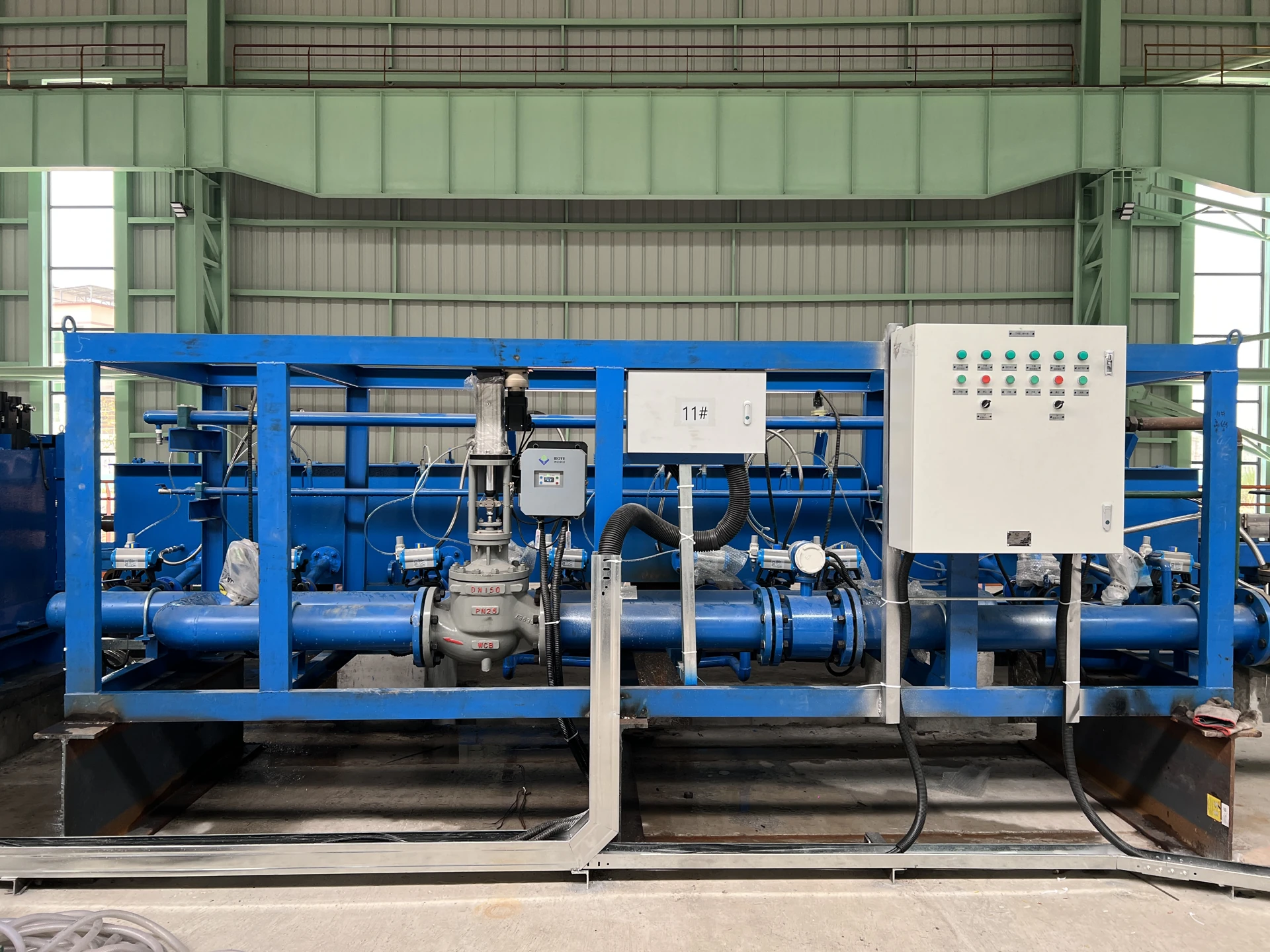
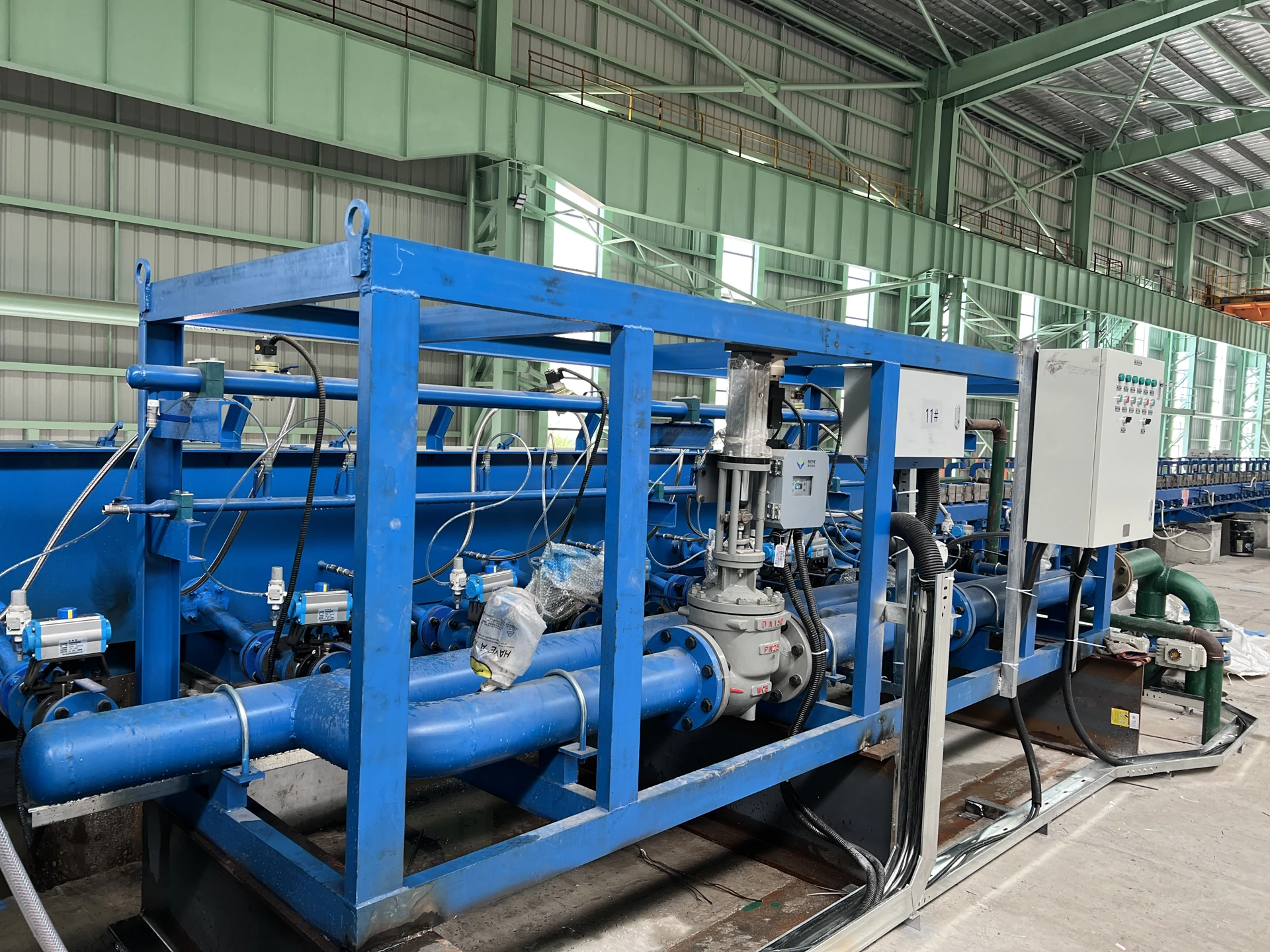
Integrate modulation, switching and feedback.
Improve everyday cooling-water operation.
Reduce continuous air-supply costs
Direct servo motor drive eliminates continuous air supply at the valve station, reducing compressed-air energy demand and losses from air-circuit leakage.
Keep water flow aligned with the process
Precise positioning and actual-position feedback reduce the effect of air-supply fluctuations. Integrate with closed-loop temperature control to stabilize cooling.
Spray promptly. Reduce water hammer.
Set opening and closing speeds independently: open quickly when cooling is needed and close gradually to reduce sudden flow changes and pipe stress.
Simplify inspection and troubleshooting
Reduce air-circuit maintenance points. View commands, valve position and faults together; automatic calibration simplifies commissioning after installation or maintenance.
Key Performance Data
Valve positioning accuracy
ASV bus and local manual modesServo motor response time
Prompt response to control commandsServo on/off valve full-stroke time
At the maximum speed setting0.1% refers to ASV valve positioning accuracy in bus and local manual modes. ≤20 ms is servo motor response time; the on/off valve full-stroke time is <0.4 s at the maximum speed setting.
Compared with a pneumatic valve station,
which operating areas can improve?
| Focus Area | Traditional Pneumatic Valve Station | All-Electric Servo Valve Station |
|---|---|---|
| Energy & Air Supply | Continuous air supply, with compression and leakage losses | Motor drive, without continuous air supply at the station |
| System Maintenance | Air and electrical circuits, with more peripheral maintenance components | Simpler air circuits; focus maintenance on electrical and mechanical inspection |
| Flow & Switching | Valve movement affected by air supply, piping and solenoid valves | Precision modulation, fast switching and actual-position feedback |
| Water Hammer Control | Closing-speed adjustment depends on air-circuit conditions | Independent opening and closing speeds support fast opening / slow closing |
| Monitoring & Integration | Distributed operating information; digital communication requires suitable configuration | Status display and diagnostics; 4–20mA, Modbus RS485 and end-position feedback |
Related engineering guide: Electric Servo Valve Stations: What to Assess Before a Retrofit
Valve station retrofit questions
Does 0.1% valve positioning accuracy specify cooling-temperature accuracy?
No. The 0.1% figure refers to ASV valve positioning in bus and local manual modes. Temperature control also requires measurement feedback and assessment of the complete cooling process. The PLK infrared pyrometer provides workpiece-temperature readings for control feedback.
What should be checked before replacing a pneumatic valve station?
Review water pressure and flow, valve sizes, existing PLC interfaces, spray timing, and the main air-supply or maintenance issues. Use the valve-station retrofit guide to organize the project inputs.
Assess a valve-station retrofit against your cooling needs.
Share water pressure and flow, valve sizes, existing PLC control and the main air-supply or maintenance issues.