
Technical Insights
Electric Servo Valve Stations: What to Assess Before a Retrofit
A valve station retrofit changes the connection between the automation system and the cooling water circuit. A useful assessment covers the required water duty, the behaviour of the complete valve assembly and the conditions under which the mill will operate.
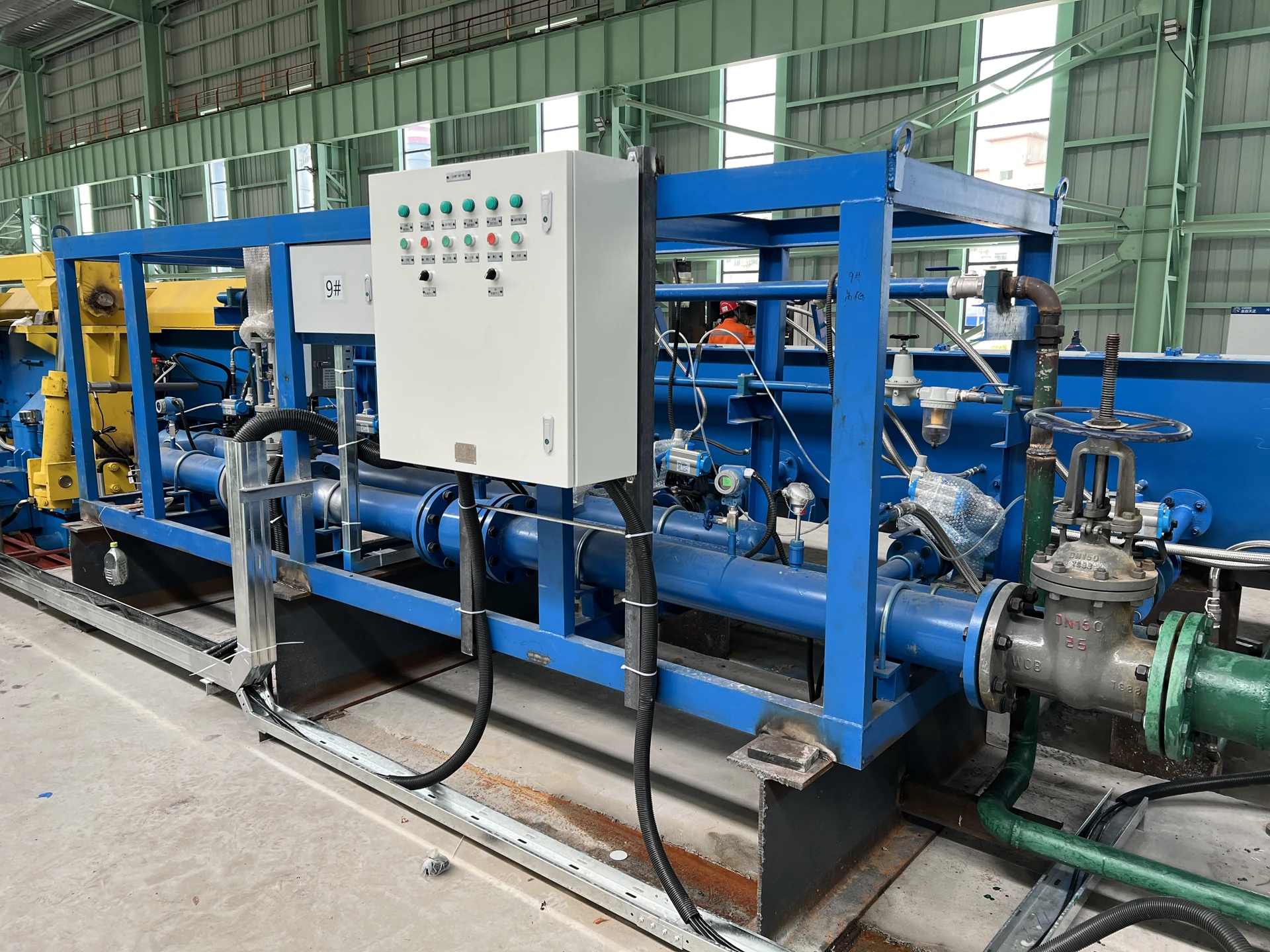
Define each water circuit’s task
List which circuits require continuous flow regulation and which require on/off action. Record the normal operating range, available supply pressure, pipe sizes and the arrangement of the cooling sections. Include low and high demand conditions, and note whether several circuits draw water at the same time.
Check the valve selection against the installed water circuit. A valve opening command and a flow value describe different things: the actual flow depends on the pressure conditions and resistance of the circuit. Assess this relationship during the engineering review, using the selected valve’s data and the site’s operating records.
Assess response under the intended duty
Full-stroke opening time is one part of the assessment. A regulating valve must also respond consistently to the smaller movements used during temperature control. Emerson’s Control Valve Handbook discusses valve response time and the effect of deadband on control performance. These are useful questions to bring to a supplier review.
Define how response will be checked after installation. Record the command, actual valve position and resulting process response. For on/off circuits, agree opening and closing behaviour with the piping and process teams, including the effect of switching on the water system.
Review interfaces and operating states
Map the existing PLC signals, communications, power supply and controller locations. Confirm the required signal scaling, status feedback and fault messages before preparing the installation drawings. Operators should be able to identify the commanded position, actual position and current control mode.
Agree what the system must do during loss of power, communication or temperature feedback. Review local operation, maintenance access and the handover between local and automatic control. Record these requirements in the functional specification so they can be checked during commissioning.
Plan the installation and maintenance scope
Check the station footprint, piping connections, cable routes and access for valve removal. Controller placement should suit the site’s heat, dust and vibration conditions. Include the condition of existing strainers, instruments and isolation points in the review, since retained equipment remains part of the operating circuit.
BOYE’s materials describe the All-Electric Servo Valve Station as an arrangement of the ASV Electric Servo Control Valve, the HSP1000 Electric Servo On/Off Valve, controllers and electrical connections. The documented functions include valve position feedback, calibration, status display and fault diagnosis. Confirm the functions and interfaces of the proposed configuration in the project specification.
Agree the acceptance evidence
Prepare a commissioning plan that checks wiring, valve travel, feedback and operation under representative production conditions. Keep baseline and commissioning records in the same format. Evaluate control performance and maintenance needs against the agreed duties. If energy use is part of the business case, define the measurement boundary and compare actual operating conditions, including any changes to the compressed air system.
Discuss your cooling project
Share your product range, line layout and temperature records with the BOYE engineering team.
xjyou@boyeglobal.com ↗