
Technical Insights
Planning a Bar and Wire Rod Cooling Upgrade
A cooling upgrade begins with the production problem and the records that explain it. A clear technical brief helps the mill and equipment supplier agree what to change, how the new arrangement will connect to the line and how its performance will be assessed.
Define the production window
List the steel grades, chemical compositions, product sizes and rolling speeds covered by the project. Separate current production from planned additions so the design basis is explicit. Record the relevant entry, intermediate and exit temperature targets, together with the required finished product properties.
Describe the problem using production evidence. Examples include temperature variation between products, inconsistent cooling during a change of speed or difficulty maintaining an agreed temperature at a downstream measurement point. Include representative records and explain which condition has the greatest operational impact.
Document the existing cooling section
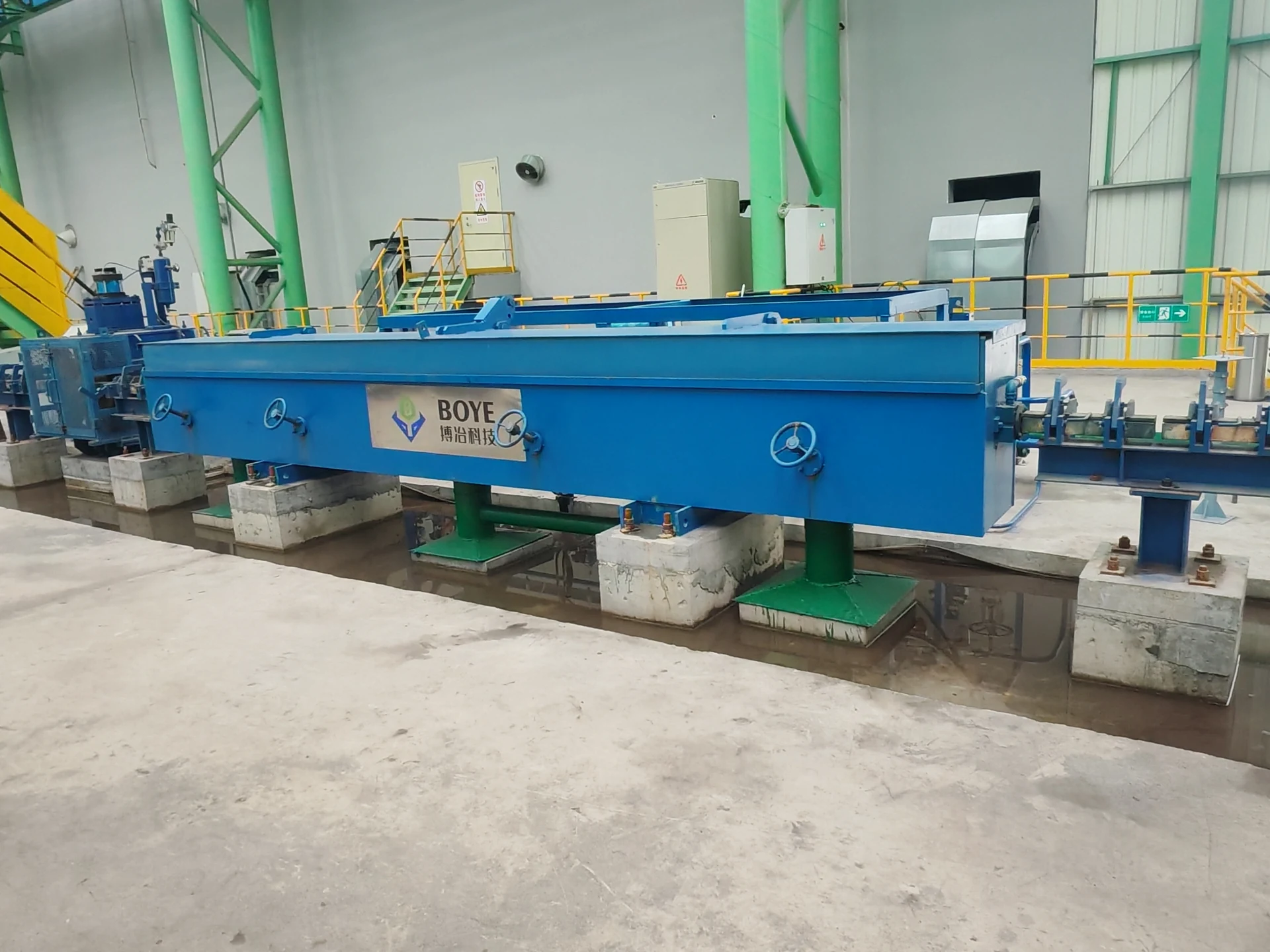
Provide a layout with the pass line, available installation space, Water Box and Guide Trough locations, piping routes and access areas. Photographs help the supplier understand connections and working conditions; drawings establish the dimensions that a retrofit must fit.
For each water circuit, record supply pressure, available flow, pipe size, valves, instruments and the number of cooling zones. Note how these conditions change when other circuits are operating. Include water quality and existing filtration information, then identify equipment that will be retained or replaced.
Map measurement and control
Identify each temperature measurement position and product-presence signal. Provide the infrared pyrometer setup, mounting arrangement and recent checks. Sensor suitability includes the target area, optical path and conditions around the instrument; these factors deserve review before control settings are discussed.
Share the PLC interface list, communication requirements, electrical supply and existing operating modes. Mark the boundaries between the cooling package and the mill’s automation system. Define which team supplies each signal, implements the logic and checks the complete loop on site.
Prepare an installation and commissioning plan
Agree the shutdown window, removal work, piping changes and electrical installation scope. Review handling routes, maintenance access and the space needed to exchange components. Make the responsibilities for drawings, site preparation and commissioning explicit.
- Before installation: capture baseline temperature trends, water conditions and product test records.
- During commissioning: verify instruments, valve commands, feedback, operating modes and agreed fault responses.
- During production trials: check representative grades, sizes and transitions using agreed record formats.
Set acceptance criteria around the process
Agree the conditions under which temperature control and product properties will be assessed. Include the production range and measurement locations in the acceptance plan. Treat water, energy and alloy-related objectives as separately measured process outcomes, with their own baselines and verification method.
BOYE supplies cooling equipment, the All-Electric Servo Valve Station, valves and detection equipment for bar and wire rod applications. An early discussion can start with the layout, product matrix and representative temperature records. These documents give the engineering team a basis for defining the equipment and control scope around the mill’s production needs.
Discuss your cooling project
Share your product range, line layout and temperature records with the BOYE engineering team.
xjyou@boyeglobal.com ↗